
How to Elope in Hawaii: A Big Island Wedding Planner’s Real Guide
Everything You Need to Know: Must-Do Steps, Common Mistakes, Best Places and Times to Elope in Hawaii, and More
We’ve been planning elopements in Hawaii since 2003—back when they weren’t really called elopements yet. At the time, everything was simply considered a wedding, and “eloping” meant running away in secret.

A Hawaii elopement may look simple from the outside, but thoughtful planning is what creates a relaxed experience.
Over the years, we’ve planned more than 1,000 elopements. Early on, I worked with several planners as their principal photographer and cinematographer, which gave me a behind-the-scenes look at what works—and what can easily go wrong. A lot of what I learned during that time is built into how we plan today.
Most couples come to Hawaii thinking they can just pick a beach and show up.
But planning an elopement here isn’t as simple as that.
I wrote this guide to help you get it right the first time and avoid the mistakes many couples make.
What Most Couples Don’t Know About Eloping in Hawaii
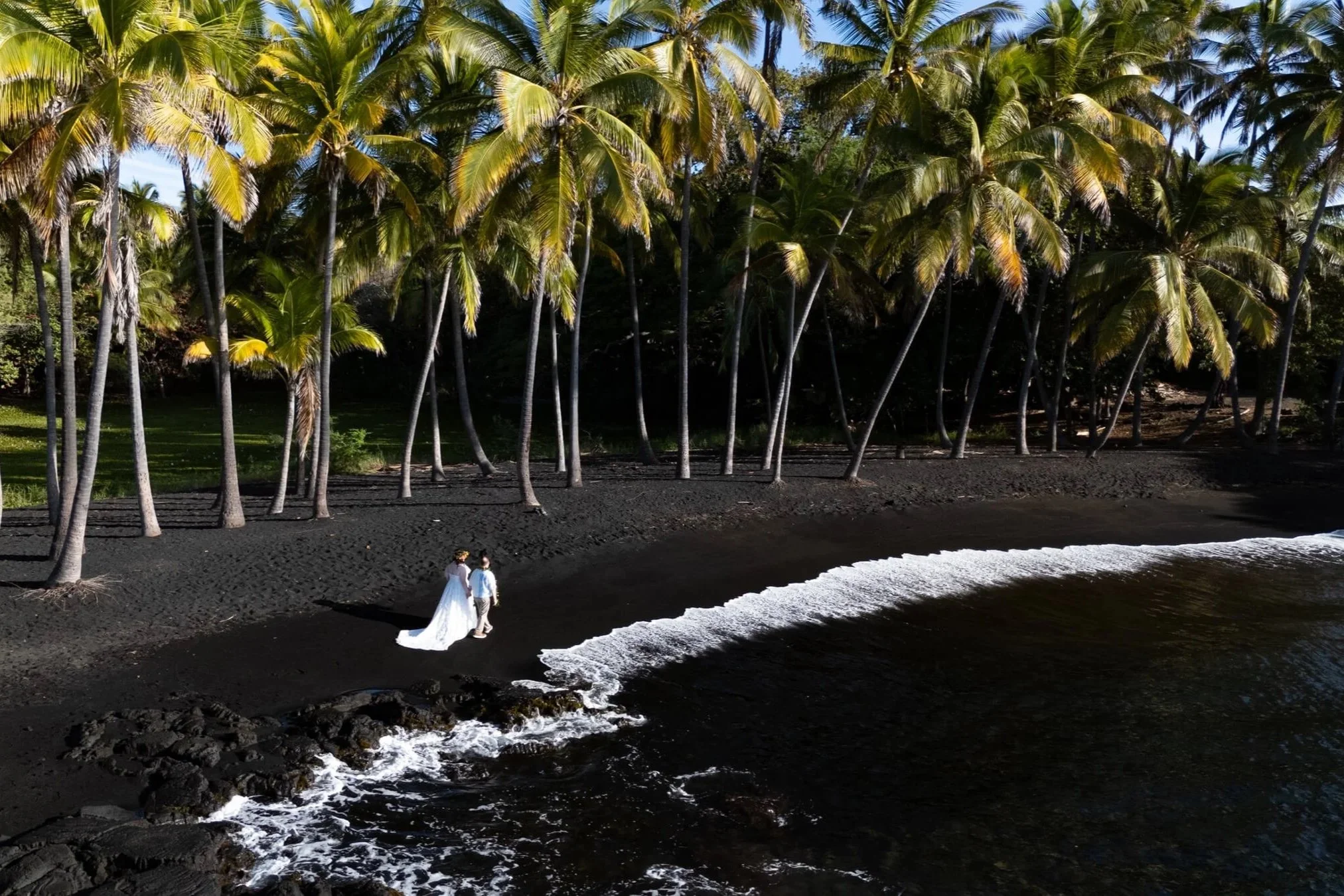
Timing matters in Hawaii — light, clouds, and beach conditions can change quickly throughout the day.
There are a few things that surprise almost every couple:
Some beaches do not allow access before sunrise—even if your permit says otherwise
Weather can vary significantly depending on the location
Most weather apps are inaccurate in Hawaii because of our microclimates
Popular beaches can get crowded quickly, especially after 9 a.m.
Transportation restrictions apply in certain areas. Some beaches do not allow commercial vehicles like Uber and Lyft
The best lighting depends heavily on timing
Hawaii is close to the equator, which means the sun sets quickly. You don’t have long golden hour windows like on the mainland.
Timing matters more than most people expect.
We’re on these beaches several times a week, so we know exactly where to be and when to be there for the best light.
We also plan for the variables. On some days, clouds can soften or hide the sun earlier than expected. That’s something we account for when we build your timeline, so your elopement feels relaxed.
Did you know that many people think the Big Island is the main island? The main island is actually Oahu, where Honolulu—the state capital—is located. The Big Island is officially called Hawaii, just like the state, and it’s the largest island in the chain. It’s also home to one of the most active volcanoes in the world.
How to Elope in Hawaii — Your Must-Do’s
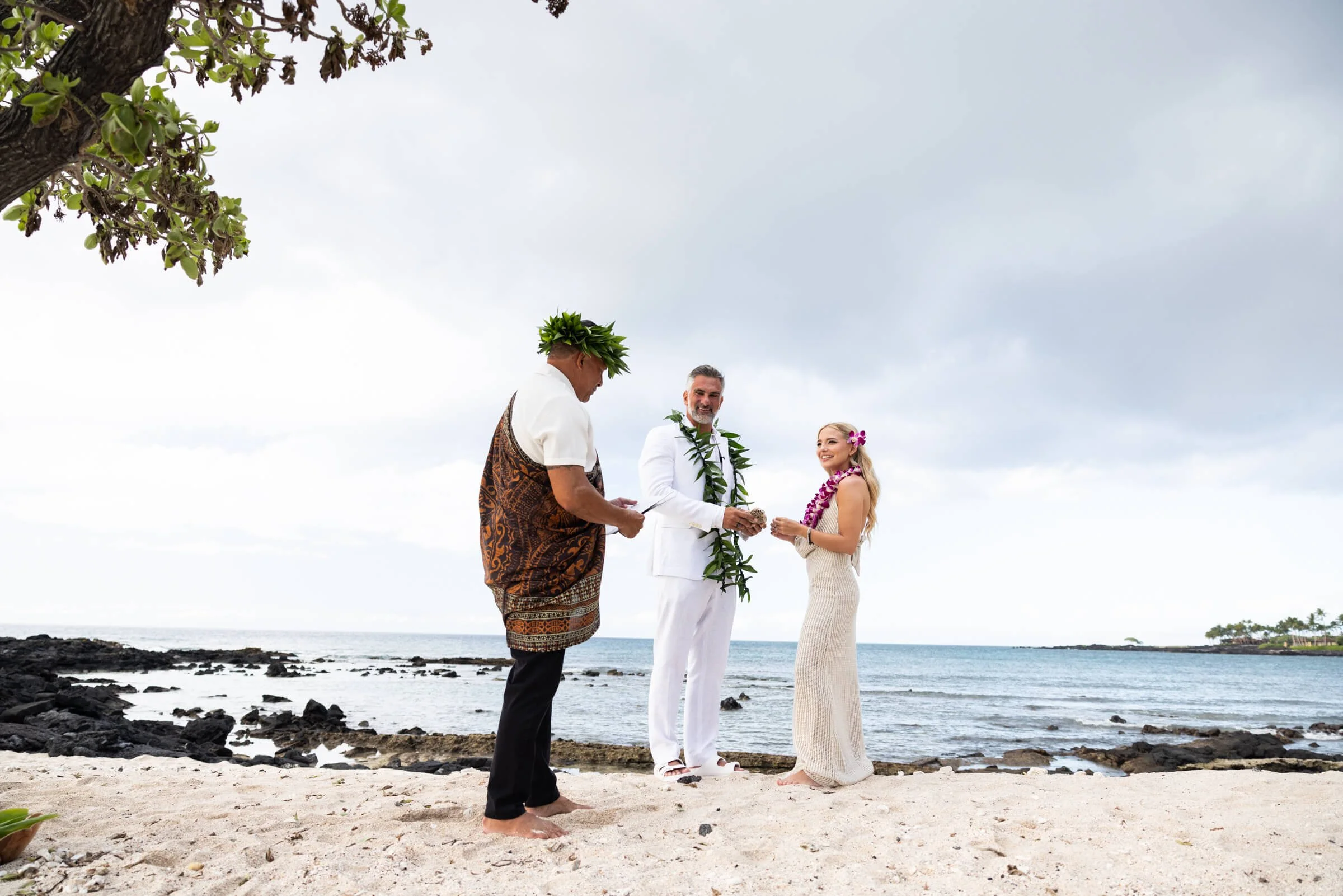
Working with local professionals helps couples navigate the unique logistics of eloping in Hawaii.
Choose the right Hawaiian island
Decide on your ceremony location
Secure the required permits
Book your vendors
Create a simple timeline

The best elopement experiences feel effortless for the couple — even when months of planning happen behind the scenes.
Step 1: Decide If You Want to Plan Your Own Elopement or Hire a Planner
This is the first decision to make.
If you hire an elopement planner, they will guide you through everything—location, permits, vendors, and timeline—and take care of the details.
Take the time to find a planner who understands your vision and communicates well. If it takes more than 24 hours to get a response, that usually doesn’t improve after booking. Planning something as important as your wedding, you want someone you feel comfortable with.
I always recommend setting up a Zoom call to get to know each other before making a decision.
If you decide to plan your elopement yourself, keep reading.
Step 2: Decide Who Is Coming to Your Elopement
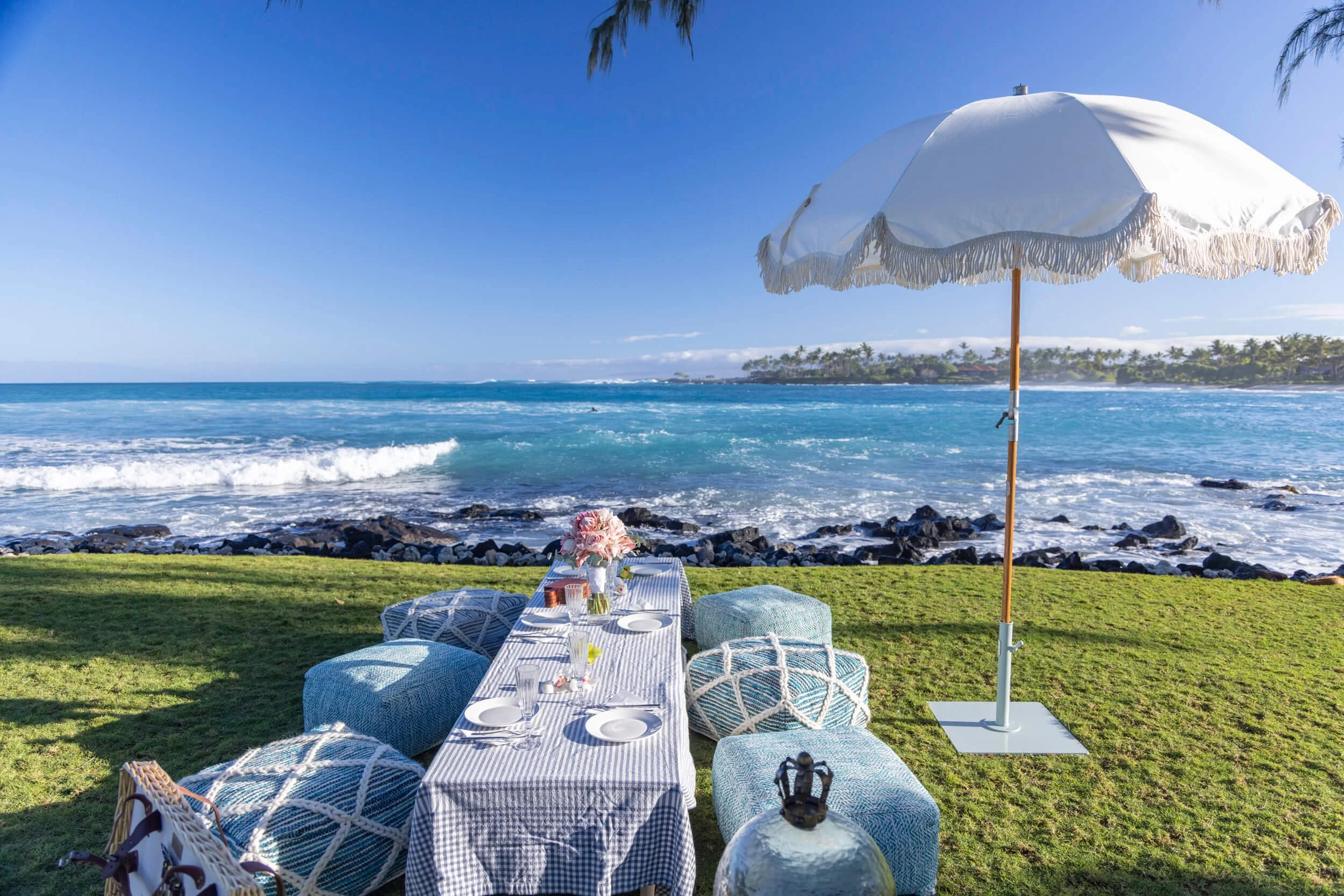
Guest count plays a major role in choosing the right Hawaii elopement location and experience.
Your guest count determines more than most couples expect.
How many people are attending?
Do any guests have mobility issues?
Will you need transportation?
This will narrow down which locations are possible.

From black sand beaches to the summit of Haleakalā, every Hawaii elopement location creates a completely different experience.
Step 3: Choose Your Elopement Location
This is where your vision comes in.
Ask yourself:
Do you want to be on a white sand beach?
On a black sand beach?
Near a waterfall?
On the edge of a volcano?
Above the clouds on the summit of Haleakalā?
Each option comes with different logistics, access, and timing considerations.
Important: east-facing locations are usually better in the morning, while west-facing beaches are ideal for sunset ceremonies.
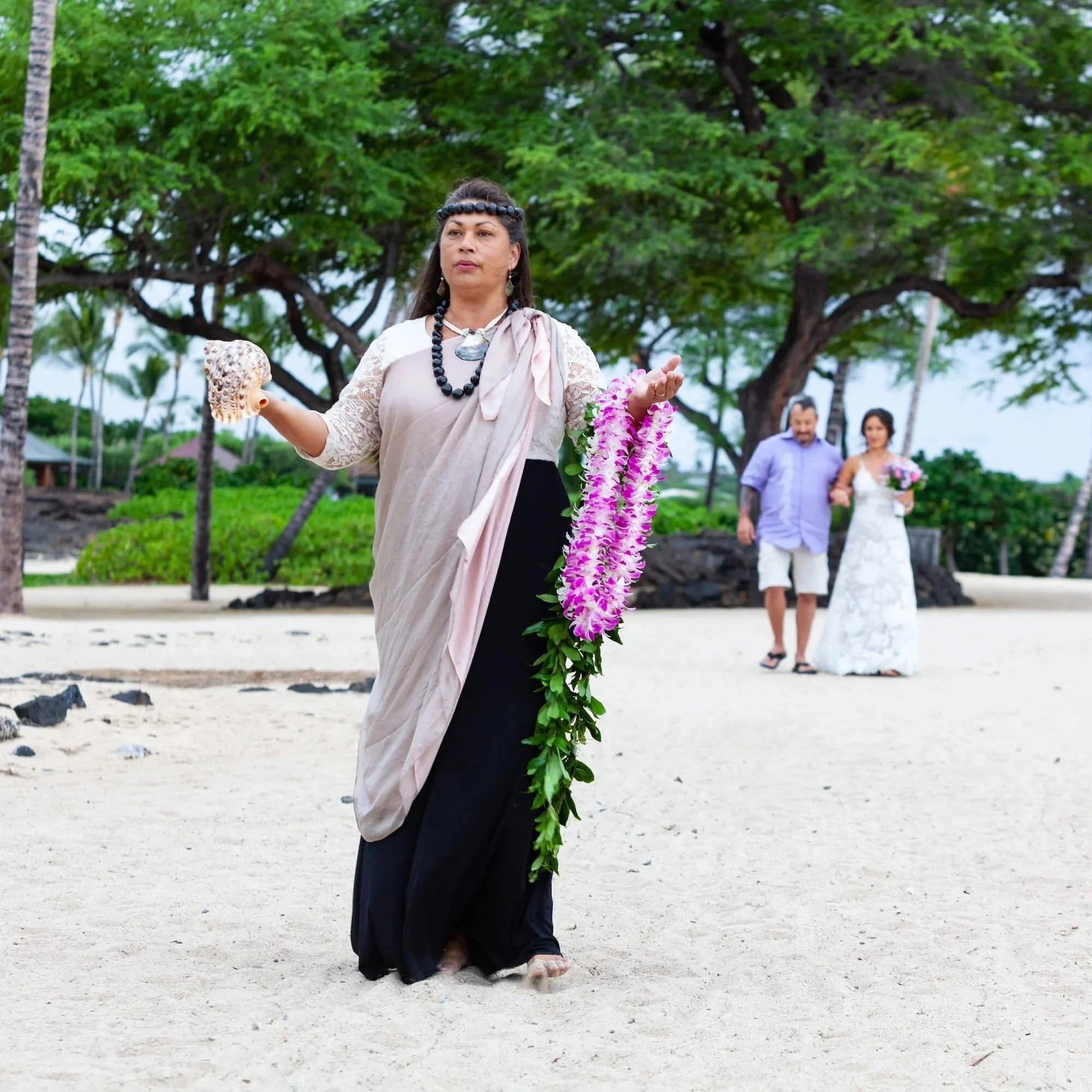
Choosing the right officiant can completely shape the feeling and flow of your Hawaii elopement ceremony.
Step 4: Choose Your Officiant
You can:
Hire a local officiant
Or have a friend or family member officiate
If you bring your own officiant, they must be licensed in the State of Hawaii to legally marry you.
Most experienced officiants will offer a Zoom call to get to know you and customize your ceremony.
To get a sense of what the ceremony will feel like, ask if they have a video of a past ceremony. Most experienced officiants do—and it’s the easiest way to see if they’re the right fit for you.
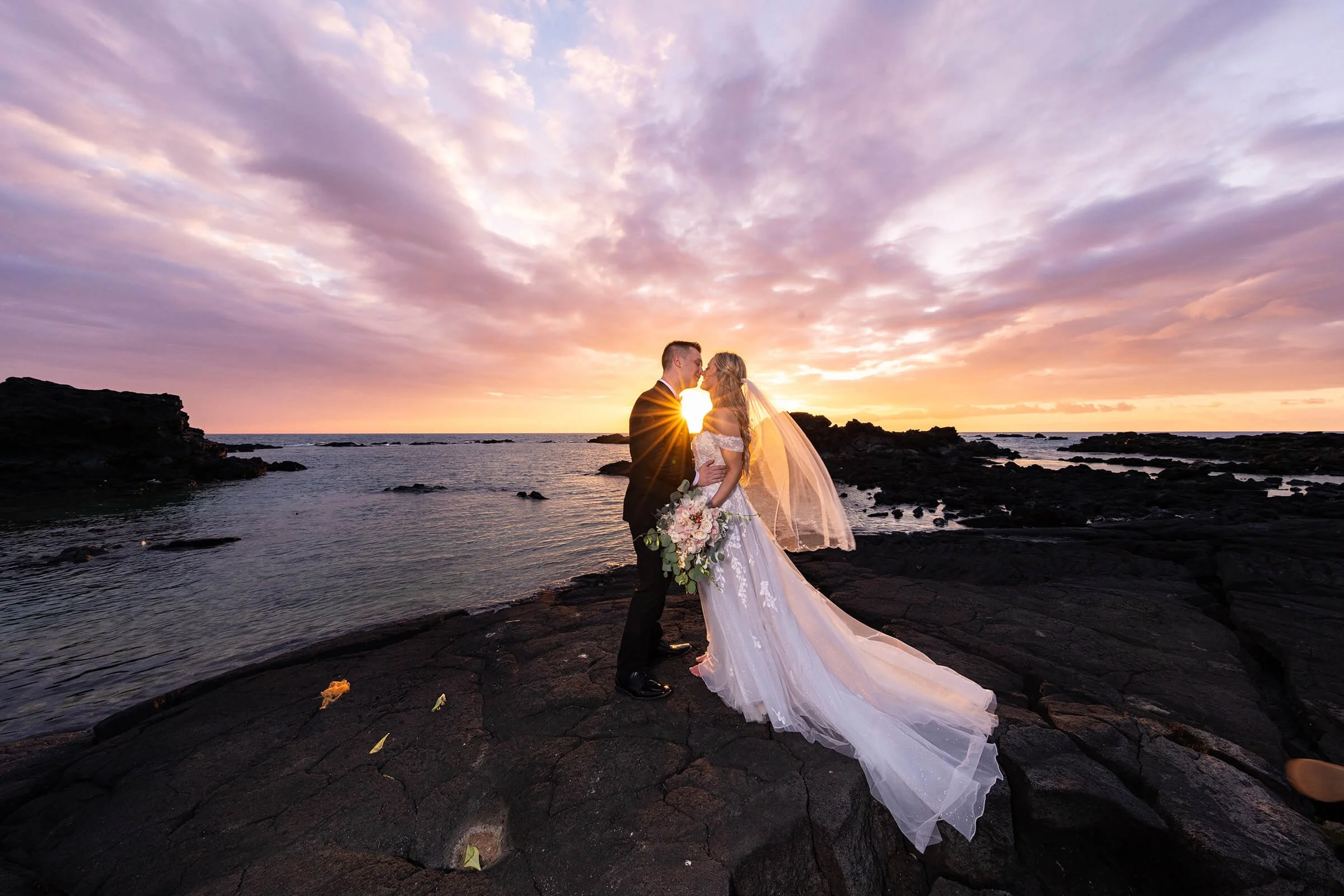
Choosing the right time of day can completely transform the look and feeling of your Hawaii elopement.
Step 5: Choose the Best Time of Day
Timing matters more than most people expect.
East-facing locations → better in the morning
West-facing locations → best for sunset
Lighting, weather, and crowds all change throughout the day.
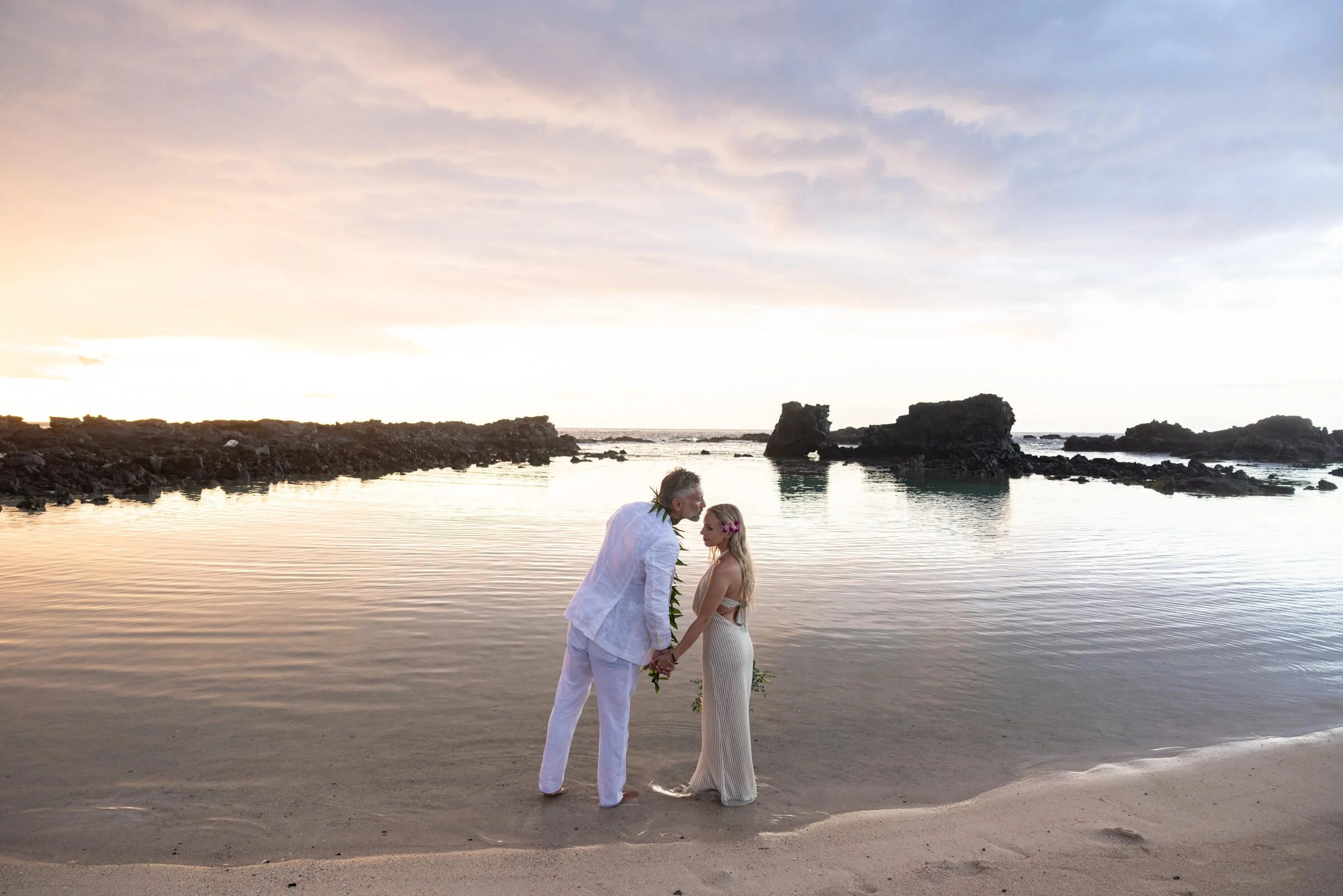
Every Hawaii beach location comes with different permit requirements, access rules, and setup limitations.
Step 6: Get Your Hawaii Beach Permit
Most ceremony locations in Hawaii require a permit.
Many beaches are permitted through the DLNR (State of Hawaii)
Some locations, like certain parks, require a county permit
National parks require a separate federal permit
You can apply for permits yourself, but if you’re working with local vendors, they will usually take care of this for you.
You cannot legally just show up on a beach and get married without a permit.
Each location has different rules, including guest limits, setup restrictions, and access times, so it’s important to plan this correctly.
This is one of the areas where couples run into the most issues when planning on their own.
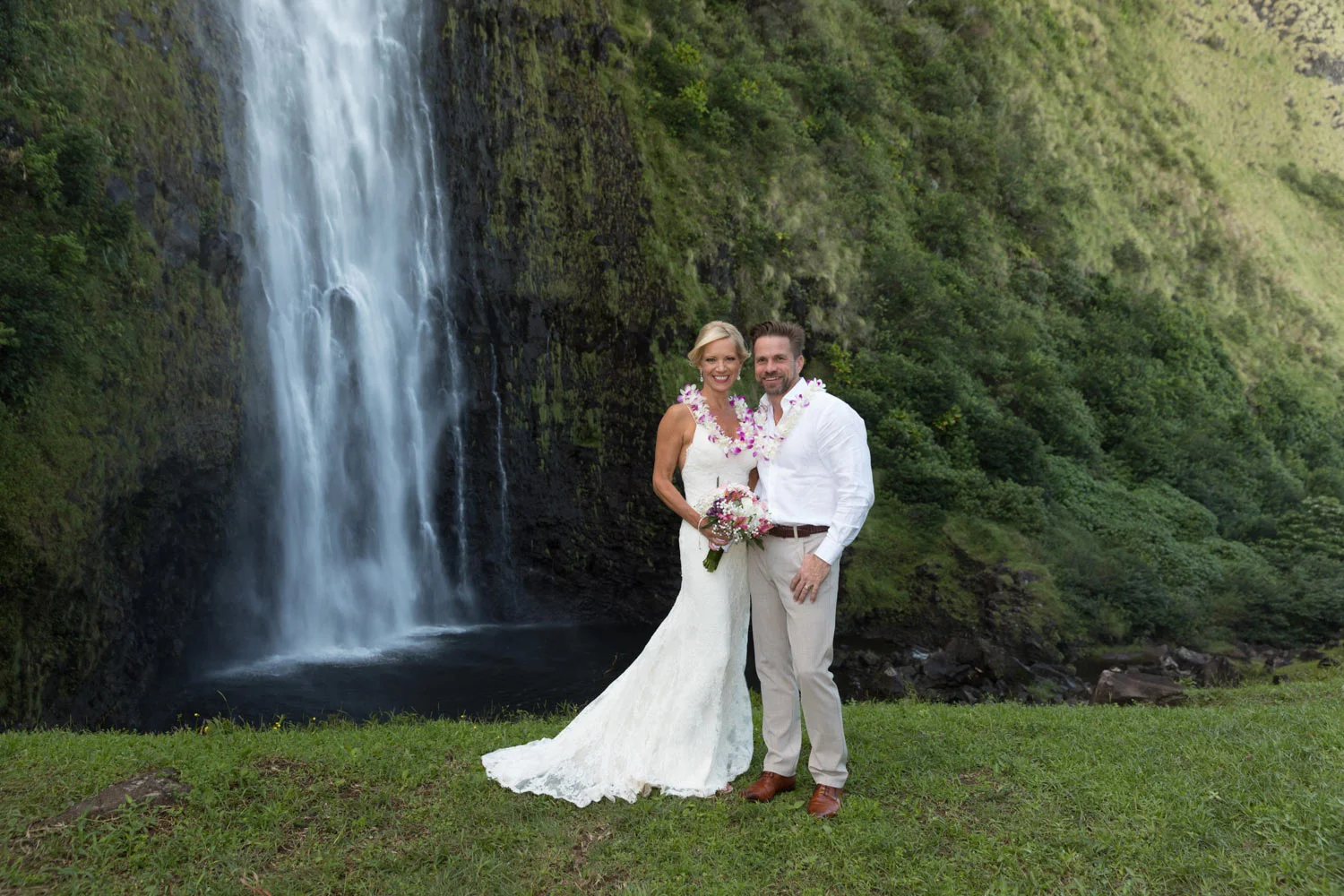
A Hawaii marriage license is required before your elopement ceremony can legally take place.
Step 7: Apply for Your Hawaii Marriage License
Apply online through the Hawaii Department of Health.
You will receive a locator ID
Schedule an appointment with a license agent (within 30 days)
Both of you must appear in person with ID
The license is valid for 30 days.
Hawai‘i does not require a blood test, witnesses, or a waiting period, which makes it one of the easiest places in the US to elope. If either of you has been previously married, your divorce must be finalized before applying. Couples traveling from outside the United States may also need additional documentation, such as an apostille, to have their marriage officially recognized in their home country.
Step 8: How Much Does It Cost to Elope in Hawaii?
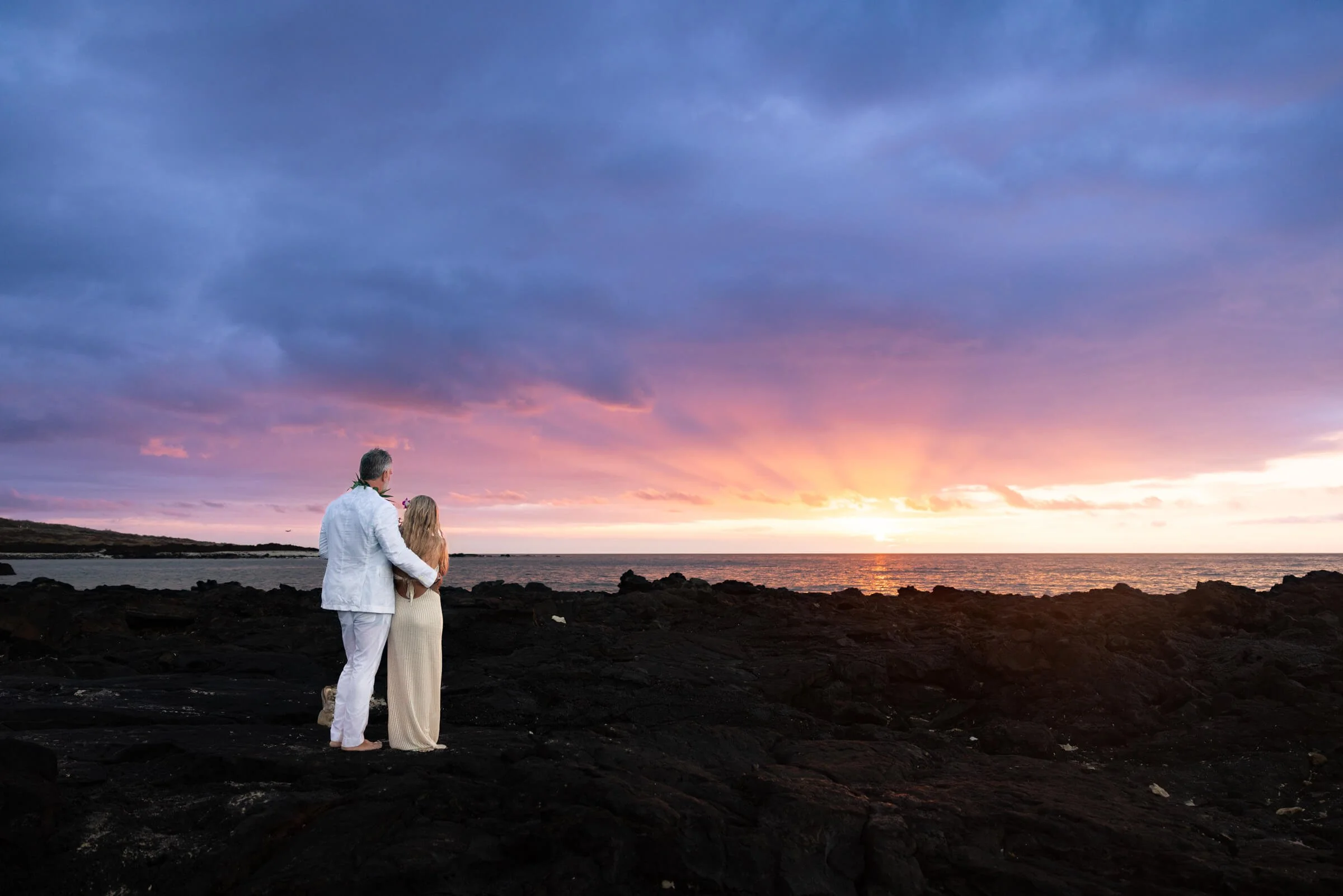
The cost of a Hawaii elopement depends on the experience, location, and level of planning involved.
Typical Price Ranges for Hawaii Elopements
Some couples want a simple barefoot ceremony at sunrise. Others turn their elopement into a multi-day Hawaii experience with private dinners, luxury resorts, helicopter flights, photography, and adventure activities.
$500–$700
Simple ceremony with an officiant
$1,500–$3,500
Ceremony + photography
$4,000–$5,000
More coverage and add-ons
$6,000–$9,000
More complete experiences
$10,000+
Full planning and higher-end services
Common Additional Costs
Professional photography
Hair and makeup services
Bouquet and leis
Videography
Permits
Private dinner reservations
Transportation
Hotel accommodations
Flights and rental car
Example of a Realistic Hawai‘i Elopement Budget
Many couples traveling to Hawai‘i spend between $8,000–$15,000 total for their complete elopement experience, including travel.
A typical Big Island elopement for two might include:
Flights for two: $1,200–$2,500
Hotel or resort stay (4–7 nights): $2,000–$5,000
Rental car: $400–$900
Elopement package: $900–$8,000
Hair and makeup: $550–$800
Bouquet and leis: $275–$600
Private dinner celebration: $250–$800
Activities or excursions: Variable
Marriage license: $65
Travel insurance: $150–$500

Professional bridal hair and makeup before a luxury Hawaii elopement on the Big Island.
Step 9: Create a Simple Elopement Timeline
A good timeline is one of the most important aspects of planning your elopement.
A typical flow:
Hair and makeup
Ceremony
Photos
Celebration
Sunset
If you’re planning this yourself, build in extra time for travel, getting ready, and unexpected delays.
The biggest mistake couples make is not leaving enough time.
Step 10: Do You Need an Elopement Planner in Hawaii?
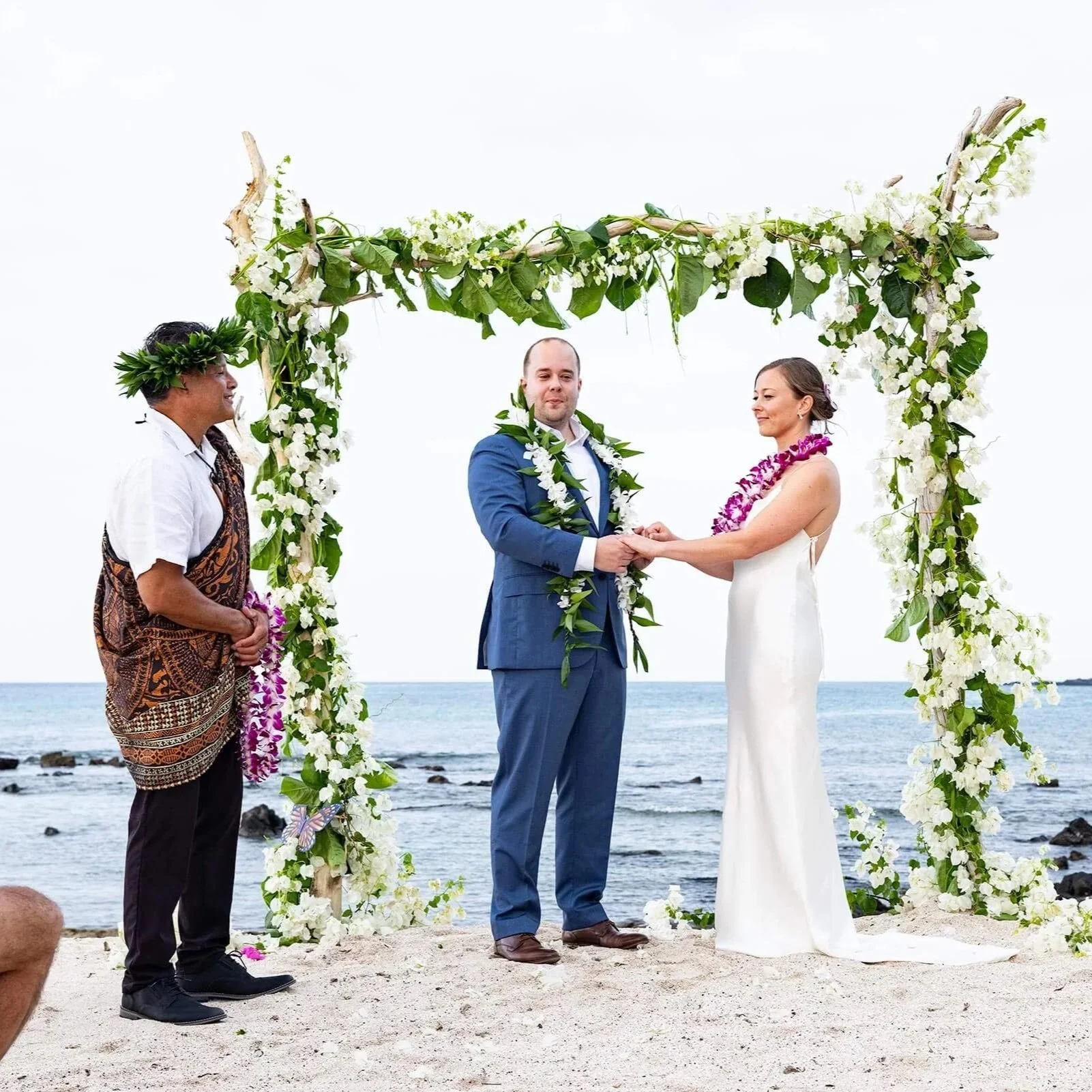
Having the right support team allows couples to stay present instead of managing timelines and vendors.
Having the right support team allows couples to stay present instead of managing timelines and vendors.
A planner helps with:
Obtaining necessary permits
Location recommendations
Coordinating trusted local vendors
Creating detailed timelines
Managing weather backup plans
Planning an elopement from afar can be challenging, especially when you do not personally know the people you are hiring for one of the most important days of your life.
A local Hawai‘i elopement planner already has established relationships with trusted vendors and knows which professionals are reliable, experienced, and a good fit for your vision. They understand the realities of planning a wedding in Hawaii, from permits and weather to travel times, lighting, beach access, and backup plans.
Without support, couples often run into avoidable issues—especially with permits, timing, and vendor coordination.
Even a simple elopement followed by a casual catered dinner on the beach still requires coordination behind the scenes. Someone still needs to coordinate setup, deliveries, cleanup, timelines, and vendor communication.
A day-of coordinator typically steps in about six weeks before your wedding or elopement. They review your contracts and timeline, confirm details with vendors, oversee deliveries and setup, and help make sure everything runs smoothly so you can simply relax and enjoy your wedding.
I experienced this firsthand at my own wedding. I planned everything—but I did not want to manage anything on the actual wedding day. Handing everything off to our day-of coordinator made all the difference. We were able to stay present and truly enjoy the experience instead of worrying about logistics behind the scenes.
Best Places to Elope in Hawaii (Big Island & Maui)
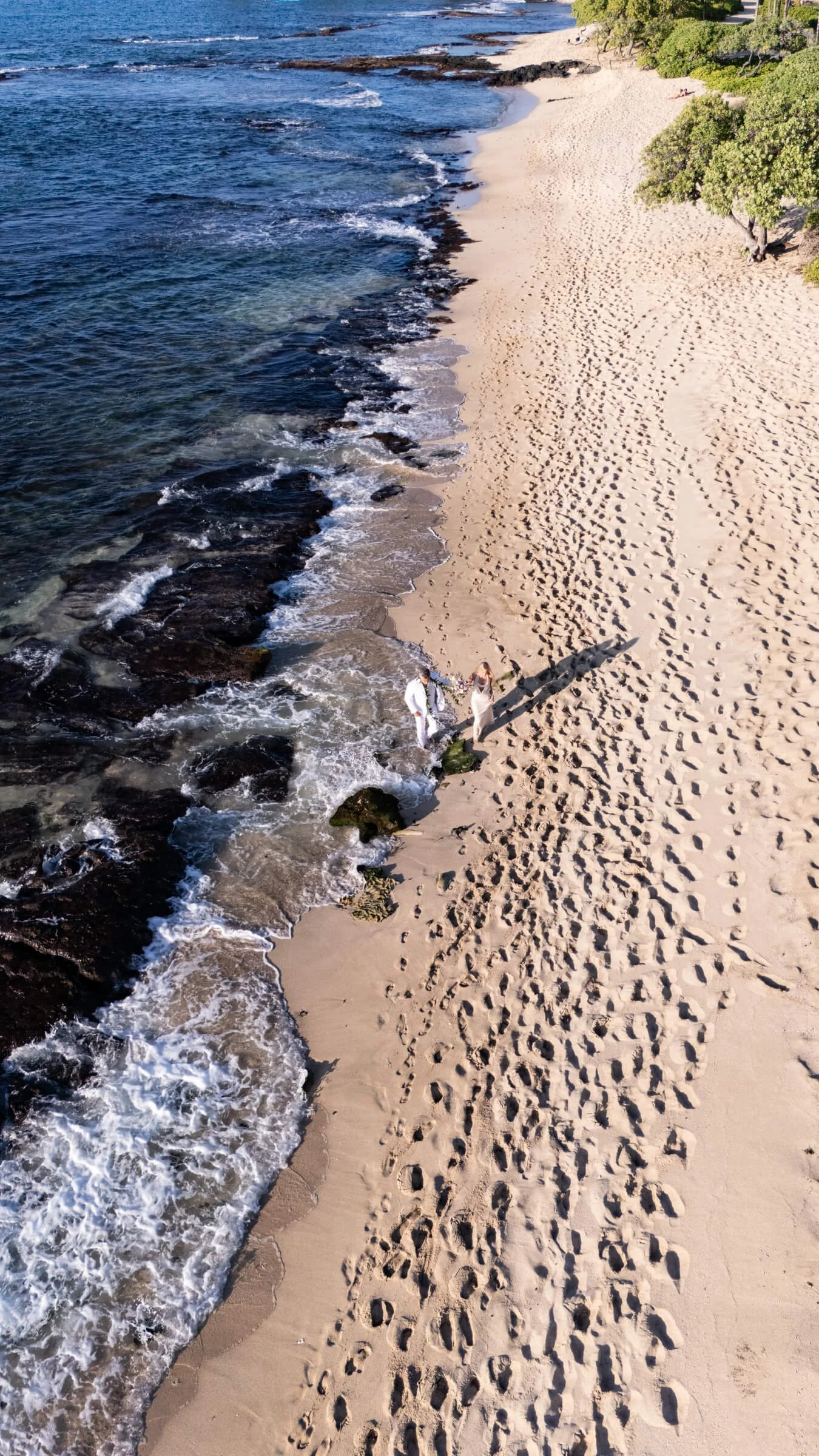
Every Hawaii elopement location offers a completely different landscape, lighting, and experience.
Best Black Sand Beach (Big Island)
Punaluʻu Black Sand Beach
Dramatic and unique. Best early in the morning before tour buses arrive.
Best White Sand Beach (Big Island)
Kukio Beach
Spacious, less crowded, and ideal for sunset ceremonies.
Best Waterfall Elopement (Big Island)
Nakaoka Falls (Helicopter Access Only)
Private and only accessible by helicopter.
Easiest Beach to Access (Big Island)
Old Airport Beach Park
Flat and easy to access, which makes it a good option if you have guests. Requires a county permit.
Best Location for Ceremony + Reception (Big Island)
Kona Sea Salt Farm
One of the few locations where you can have your ceremony, get ready, and reception all in one place.
Best Adventure Elopement Location (Big Island)
Hawaiʻi Volcanoes National Park
Raw and dramatic. Permits are required and conditions can change, so planning matters.
Best Mountain Elopement Location (Maui)
Haleakalā National Park
Known for sunrise and sunset ceremonies above the clouds. Requires reservations with the National Park Service.
Best Time to Elope in Hawaii

Planning around seasons, crowds, and weather patterns can make a major difference in your Hawaii elopement experience.
April – October
More consistent weather
November – March
Fewer crowds, but more unpredictable conditions
Things to Keep in Mind
Ironman in October makes Kona very busy
December holidays increase crowds and travel costs
So Is Eloping in Hawaii Right for You?
If you’re looking for something simple, personal, and focused on the two of you and a few loved ones, eloping might be the right choice.
It allows you to slow down and truly experience your wedding day.
Planning Your Hawaii Elopement with Beach Glass Weddings
We plan and photograph elopements across Hawaii and help with everything from permits to timelines to locations.
If you’re thinking about eloping in Hawaii, reach out and we’ll help you figure out what makes the most sense for you.
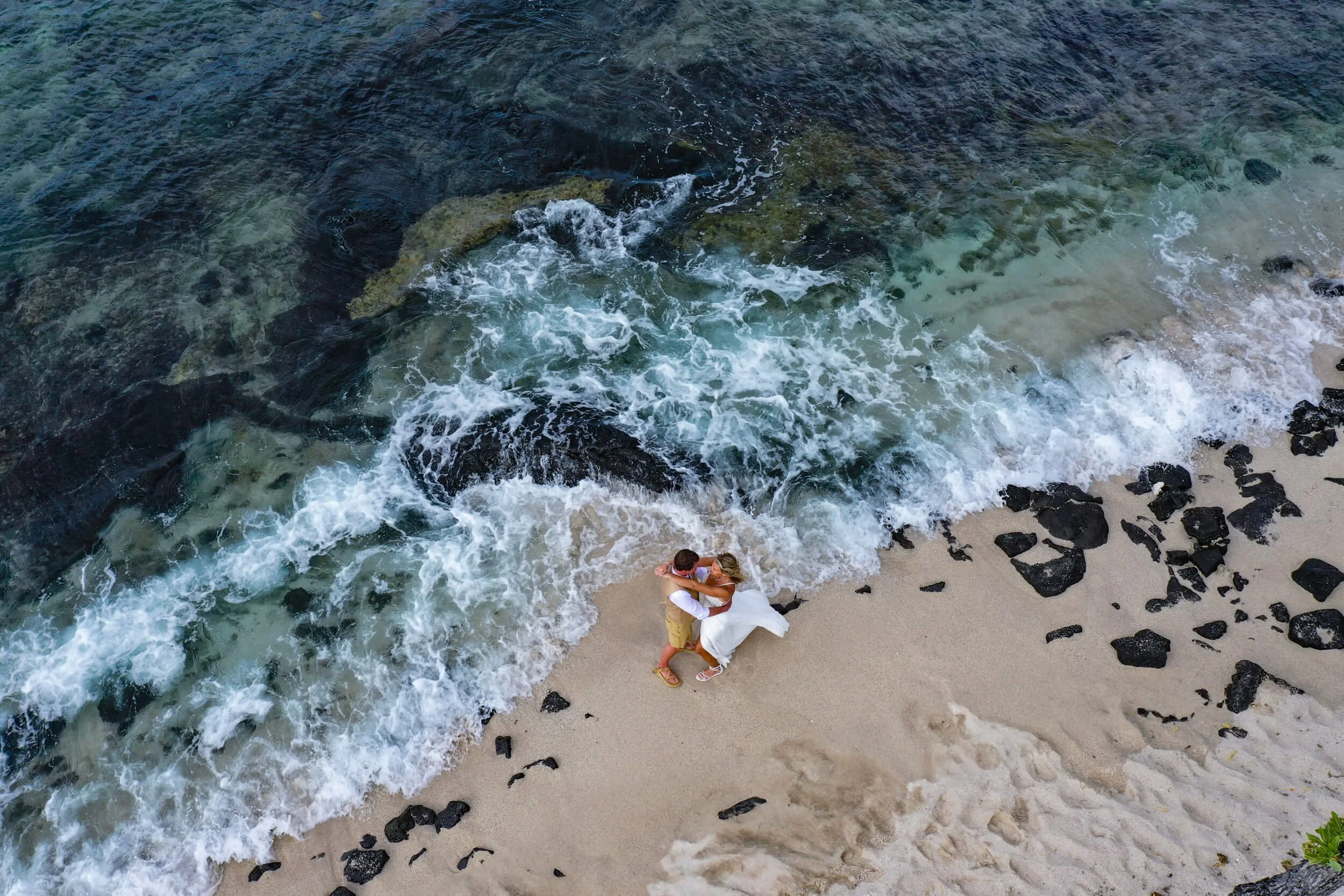
Big Island Elopements
Custom-designed ceremonies for couples seeking a private, meaningful elopement in Hawaii.